

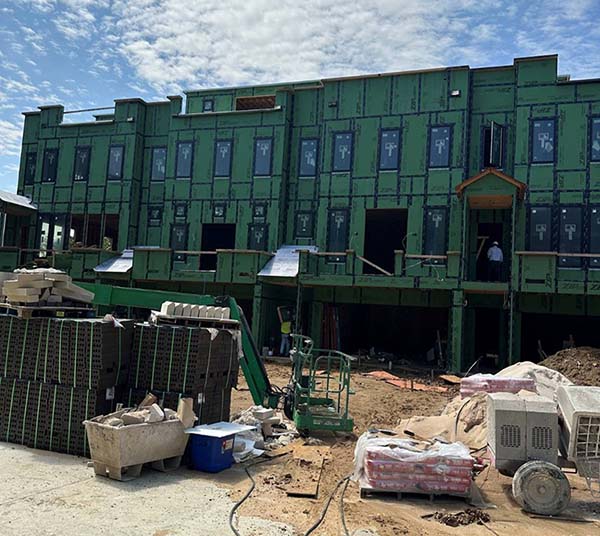
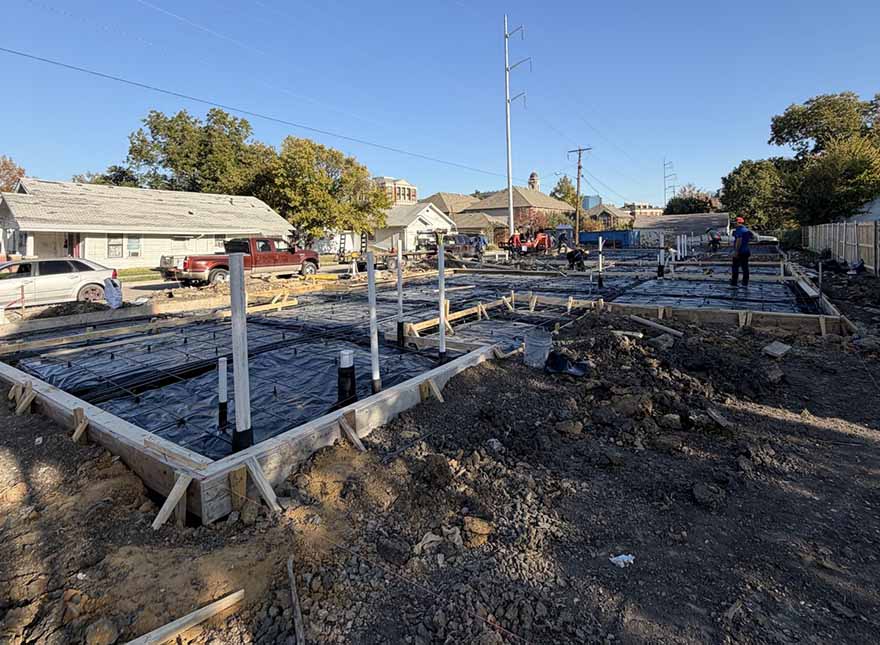
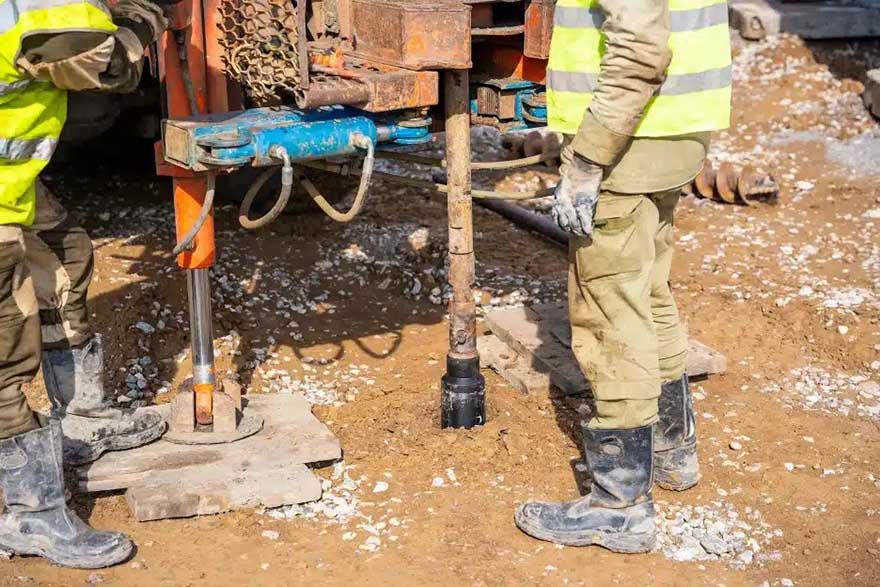

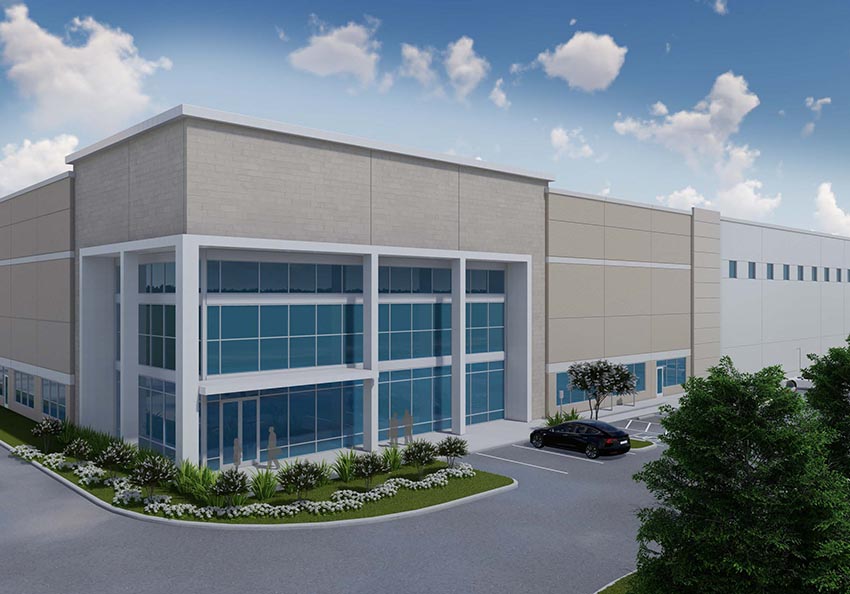



A professional engineer plays a critical role in ensuring the safety, performance, and durability of residential and commercial construction projects. Beyond calculations and drawings, professional engineers apply technical expertise, ethical responsibility, and industry standards to protect public safety and deliver structures that perform reliably throughout their intended service life. Engaging a licensed professional engineer is essential for reducing risk, improving construction quality, and maximizing long-term project value.
Who Is a Professional Engineer?
A professional engineer (PE) is a licensed individual who has met rigorous education, examination, and experience requirements. Professional engineers are legally and ethically responsible for the work they seal and approve, ensuring that designs comply with applicable codes, standards, and best engineering practices.
Professional engineers are involved in:
- Structural and civil system design
- Code compliance and permitting support
- Construction-phase services and inspections
- Risk management and quality assurance
- Engineering judgment and problem-solving
Their oversight provides a critical safeguard for both public safety and project success.
Enhancing Public Safety Through Engineering Expertise
Protecting public safety is the primary responsibility of a professional engineer. Engineers evaluate loads, environmental forces, and site conditions to ensure that buildings and infrastructure can safely withstand expected and extreme conditions.
Key safety-related responsibilities include:
- Designing reliable load paths
- Accounting for wind, seismic, snow, and live loads
- Ensuring foundation and soil compatibility
- Reviewing structural integrity during construction
Through careful analysis and conservative judgment, professional engineers help prevent structural failures and unsafe conditions.
Ensuring Code Compliance and Regulatory Approval
Professional engineers ensure that projects comply with local, state, and national building codes. Their knowledge of evolving regulations helps streamline permitting and reduce approval delays.
By sealing construction documents, professional engineers certify that:
- Designs meet applicable building codes and standards
- Calculations and drawings are technically sound
- Safety requirements are fully addressed
This accountability protects owners, contractors, and the public while providing confidence to authorities having jurisdiction.
Improving Project Durability and Long-Term Performance
Durability is a key indicator of project quality. Professional engineers consider long-term performance factors such as material behavior, environmental exposure, and maintenance requirements when designing structures.
Durability-focused engineering includes:
- Selecting appropriate materials for exposure conditions
- Designing for corrosion resistance and moisture control
- Limiting deflections, vibrations, and cracking
- Addressing settlement and long-term movement
These considerations reduce lifecycle costs and extend the service life of structures.
Managing Risk and Reducing Construction Issues
Construction projects often encounter unforeseen challenges. Professional engineers play a critical role in identifying risks early and providing practical solutions during construction.
Their involvement helps:
- Minimize design errors and omissions
- Reduce change orders and rework
- Resolve field conditions efficiently
- Improve communication among project stakeholders
Engineering oversight during construction helps maintain design intent and quality.
Supporting Sustainable and Resilient Design
Professional engineers contribute to sustainable and resilient construction by optimizing structural systems and material usage. Efficient designs reduce embodied carbon while maintaining safety and performance. Engineers also design for resilience against natural hazards such as earthquakes, hurricanes, and extreme weather, helping protect occupants and reduce post-event recovery costs.
Adding Value for Owners and Developers
For owners and developers, engaging a professional engineer provides confidence that projects are designed and constructed to meet safety, durability, and performance expectations. This results in fewer long-term maintenance issues, improved asset value, and reduced legal exposure.
In both residential and commercial projects, professional engineering services are a smart investment that delivers measurable long-term benefits.
Conclusion
The role of a professional engineer extends far beyond technical calculations. By enhancing safety, ensuring code compliance, managing risk, and improving durability, professional engineers are essential to the success of residential and commercial construction projects.
Partnering with a qualified professional engineer helps ensure that buildings are safe, resilient, and built to last—protecting people, property, and long-term investment value.