

Foundation design is one of the most critical aspects of any residential or commercial construction project. While architectural and structural elements often receive the most attention, the performance and longevity of a building ultimately depend on what lies beneath it—the soil. Soil testing and geotechnical investigation provide essential data that engineers use to design safe, durable, and cost-effective foundations.
This article explores why soil testing and geotechnical investigations are indispensable in foundation design and how they help reduce risk, control costs, and ensure long-term structural performance.
What Is Soil Testing and Geotechnical Investigation?
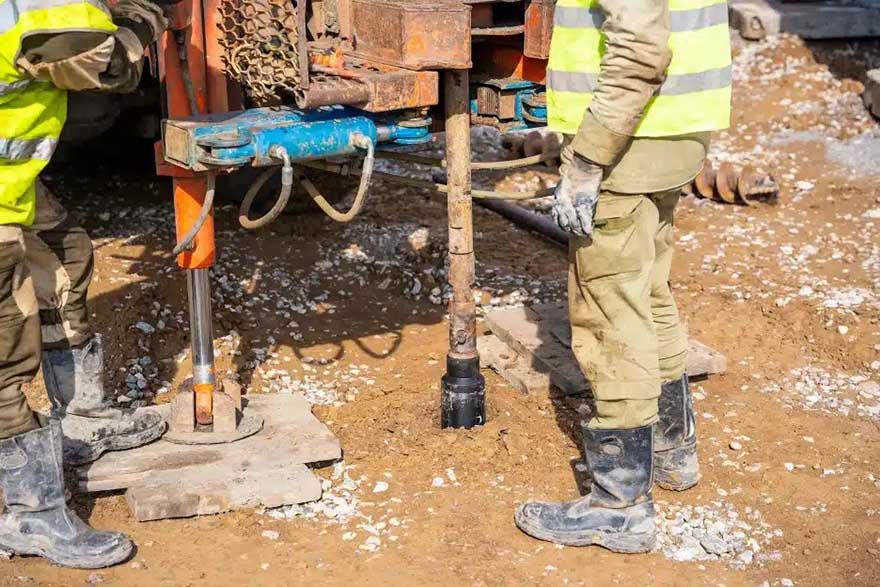
Soil testing and geotechnical investigation involve evaluating subsurface conditions at a construction site to determine soil properties and behavior under load. These investigations are typically conducted by geotechnical engineers and include:
- Soil borings and test pits
- Laboratory testing of soil samples
- Groundwater level assessment
- Bearing capacity evaluation
- Settlement and consolidation analysis
- Identification of expansive, collapsible, or weak soils
The results are summarized in a geotechnical report, which serves as a foundational reference for structural and civil engineers during the foundation design phase.
Why Soil Conditions Matter in Foundation Design
No two construction sites are the same. Soil composition, strength, and moisture content vary significantly from one location to another, even within the same neighborhood. Ignoring these variables can lead to serious structural issues, including:
- Excessive settlement
- Differential movement
- Cracking of foundations and slabs
- Structural instability
- Water intrusion and drainage problems
Proper soil testing allows engineers to anticipate these challenges and design foundations that are compatible with site-specific conditions.
Key Benefits of Soil Testing and Geotechnical Investigation
1. Ensuring Structural Safety and Stability
Geotechnical investigations provide critical parameters such as soil bearing capacity and shear strength. These values are essential for designing foundations that can safely support residential and commercial loads without excessive settlement or failure.
For commercial structures with heavier loads or multi-story configurations, accurate soil data is especially crucial to ensure long-term stability and code compliance.
2. Optimizing Foundation Type and Design
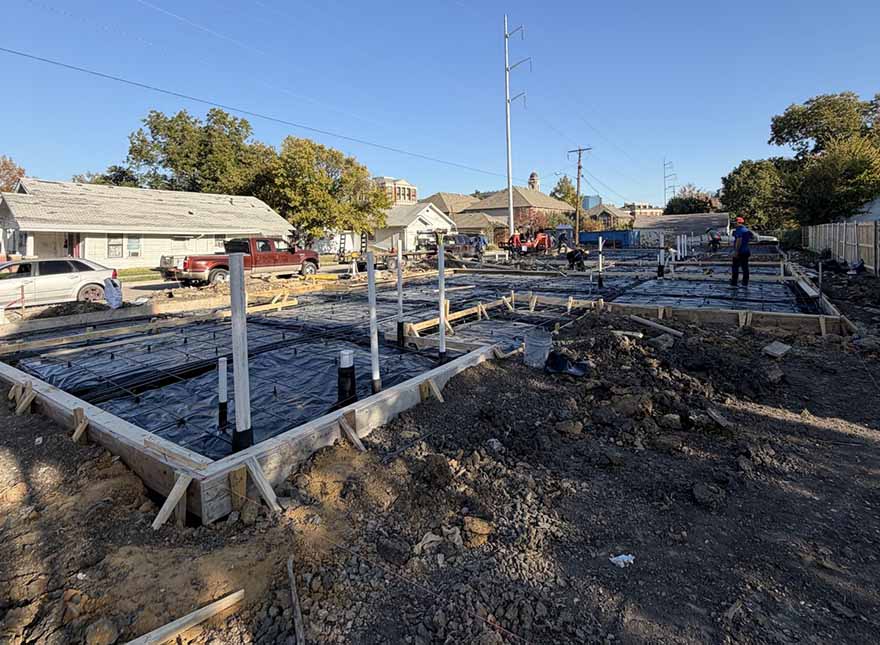
Soil testing helps engineers determine the most suitable foundation system for a project, such as:
- Shallow foundations (spread footings, mat foundations)
- Deep foundations (piles, drilled piers, caissons)
Selecting the correct foundation type based on soil conditions improves performance while avoiding unnecessary overdesign or costly remediation later in construction.
3. Preventing Costly Construction and Post-Construction Issues
Early geotechnical investigations can significantly reduce project risk and cost overruns. Identifying problematic soils—such as expansive clay, loose fill, or high groundwater—allows mitigation measures to be incorporated during design rather than addressed after construction begins.
This proactive approach helps prevent:
- Change orders
- Construction delays
- Foundation repairs
- Long-term maintenance issues
4. Supporting Code Compliance and Permitting
Most building codes and local authorities require geotechnical reports for new residential and commercial developments. Soil testing supports compliance with:
- International Building Code (IBC)
- Local jurisdiction requirements
- Engineering standards and best practices
Providing a professional geotechnical report streamlines the permitting process and demonstrates due diligence by the project team.
5. Improving Long-Term Durability and Performance
Foundations designed with accurate soil data perform better over time. Proper consideration of settlement, drainage, and soil-structure interaction enhances durability and minimizes future structural distress.
This is particularly important for commercial buildings, where downtime or repairs can have significant financial and operational consequences.
Role of Geotechnical Engineers in the Design Process
Geotechnical engineers collaborate closely with civil and structural engineers throughout the project lifecycle. Their responsibilities include:
- Conducting site investigations
- Interpreting soil test results
- Providing foundation design recommendations
- Advising on earthwork, grading, and drainage
- Supporting construction phase inspections
This multidisciplinary coordination ensures that foundation systems are both safe and constructible.
Conclusion
Soil testing and geotechnical investigation form the foundation of successful residential and commercial construction projects. By understanding subsurface conditions, engineers can design safe, efficient, and durable foundation systems tailored to each site’s unique characteristics.
Incorporating geotechnical expertise early in the design process reduces risk, improves constructability, ensures code compliance, and protects the long-term value of the structure. For any construction project, soil testing is not an optional step—it is a critical investment in performance, safety, and sustainability.