Successful construction projects rely on careful planning and collaboration between multiple disciplines. Framing, wall bracing, and architectural coordination are critical elements of structural engineering that ensure buildings are safe, durable, and efficient. Proper integration of these components helps minimize risks, meet building codes, and create functional spaces for occupants.
The Role of Framing in Building Safety
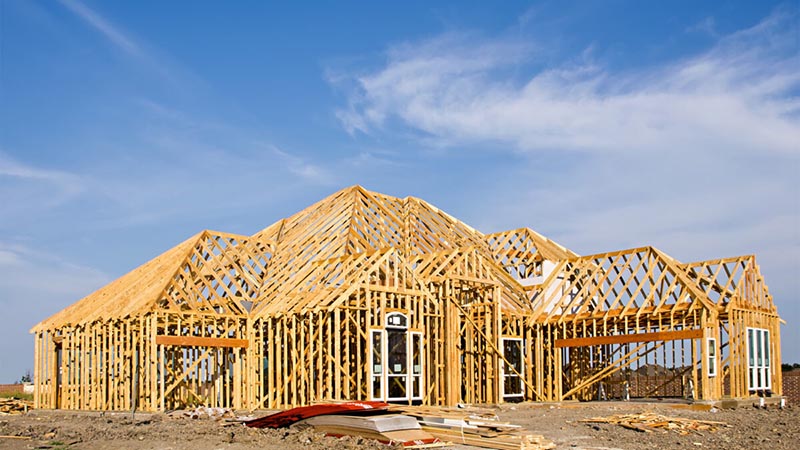
Framing is the skeleton of a building. It supports vertical and lateral loads and transfers them to the foundation. Effective structural framing involves selecting the right materials, layout, and connection types to support both the intended use and environmental forces, such as wind, seismic activity, and snow loads.
Poorly designed framing can result in structural weaknesses, excessive deflection, or even catastrophic failure. Engineering design ensures that framing systems are optimized for safety and performance, balancing material efficiency with building codes.
Why Wall Bracing Is Essential
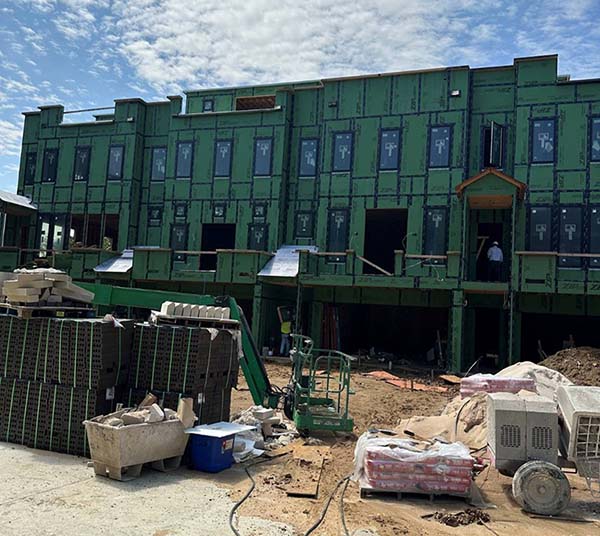
Wall bracing stabilizes structures by resisting lateral forces and preventing deformation. It is especially important in areas prone to wind or seismic activity.
Engineers analyze wall loads, shear forces, and connection details to determine the appropriate bracing system for each project.
By integrating wall bracing into the framing design, engineers ensure structural integrity and compliance with building regulations, protecting both the building and its occupants.
Architectural Coordination for Constructability
Engineering design is not limited to structural safety—it must also integrate with architectural intent. Coordinating with architects ensures that framing layouts and wall bracing systems accommodate building aesthetics, spatial requirements, and functional elements like doors, windows, and mechanical systems.
Early collaboration between structural and architectural teams prevents costly conflicts during construction, reduces rework, and improves overall project efficiency.
Inspections and Quality Assurance
Even the best design requires verification during construction. Inspections ensure that framing, wall bracing, and architectural elements are installed according to approved plans and engineering specifications. Regular inspection reduces the risk of non-compliance, construction defects, and long-term performance issues.
Integration with Civil and MEP Engineering
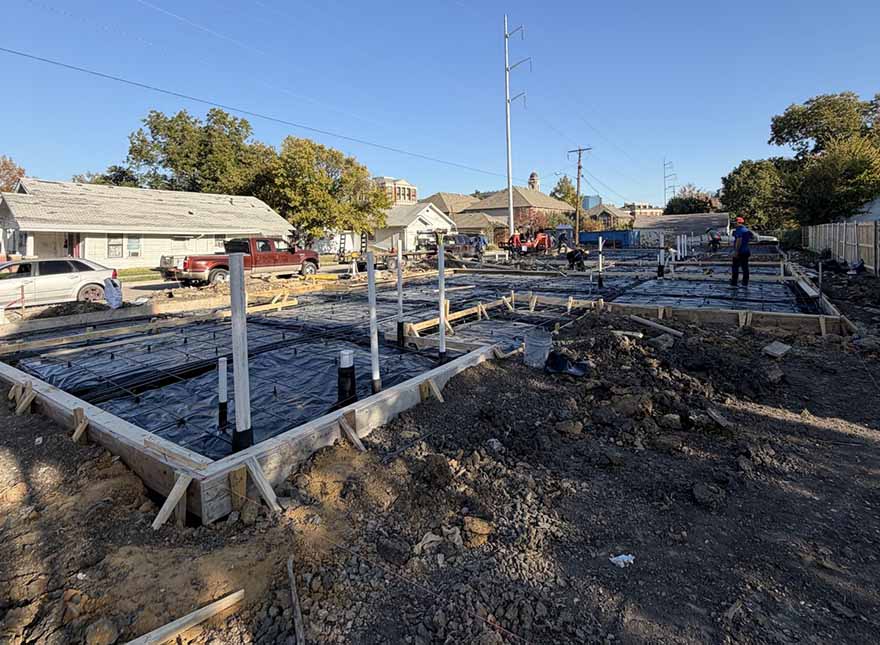
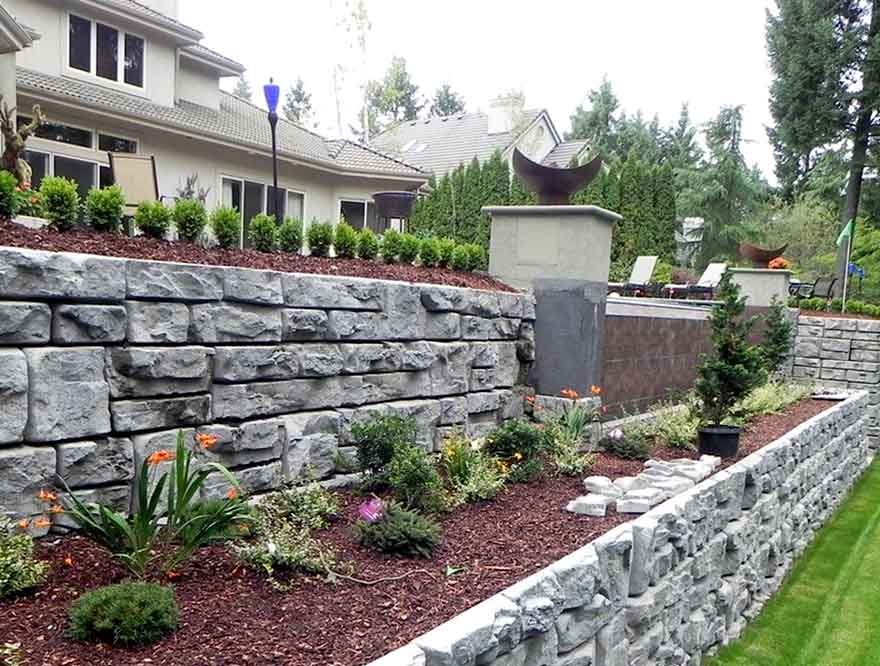
Framing and wall bracing design must also align with civil and MEP engineering systems. Proper coordination prevents clashes with plumbing, electrical, and HVAC systems, and ensures foundations and retaining walls are appropriately designed to support structural loads.
This integrated approach streamlines construction, reduces delays, and enhances building safety and functionality.
Conclusion
Framing, wall bracing, and architectural coordination are fundamental to the safety, efficiency, and longevity of buildings. By combining structural engineering expertise with architectural collaboration, civil and MEP integration, and thorough inspections, construction teams can deliver safe, code-compliant, and functional structures that meet both client expectations and regulatory requirements.